
Insights
Twelve guides for buyers of tobacco leaf.
Twelve guides on specifying, sampling, testing, shipping and paying for tobacco leaf and by-products, plus origin overviews, each with its sources listed.
Find a guide by topic
All twelve guides are listed below. Filter by topic, or search titles and summaries.
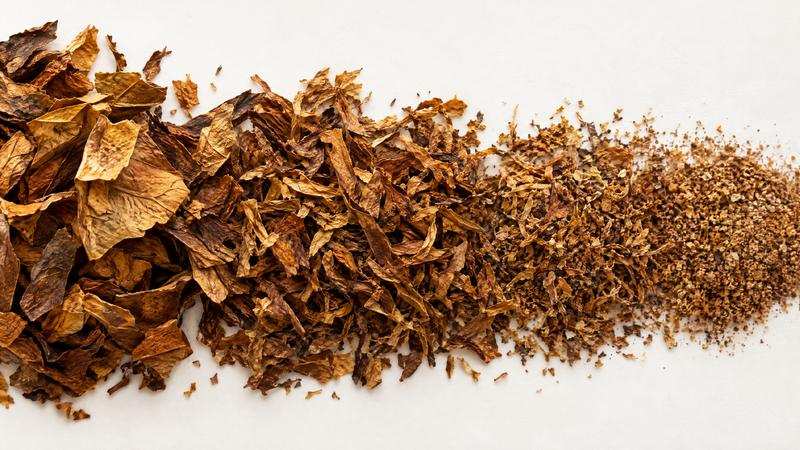
Tobacco Leaf Quality Parameters Buyers Should Specify
A buyer's map of tobacco leaf quality parameters: physical, chemical, safety and shipping lines to write into a spec, with methods and a template.
Read the article →
Dry Basis vs As-Received: Reporting Nicotine Correctly
Dry basis vs as-received tobacco analysis: the conversion formula, a worked illustrative example, and contract wording so nicotine results compare fairly.
Read the article →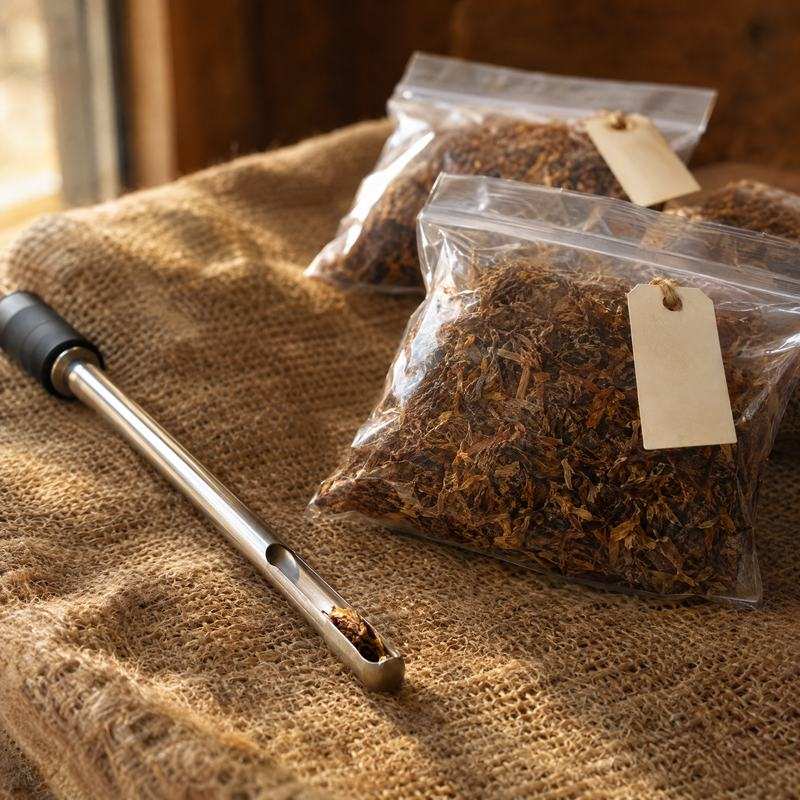
Sampling Tobacco Lots: How Representative Samples Work
How representative tobacco samples are taken from bales, bags and bulk: core vs grab, sub-sampling, sealing, retained samples and a template sampling clause.
Read the article →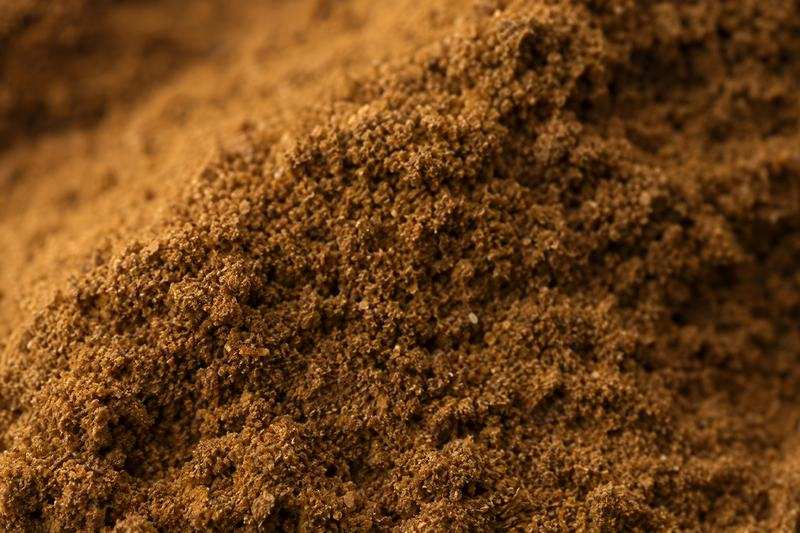
Tobacco Dust: Types, Uses, Specs and Packing
Tobacco dust explained for buyers: types, uses in extraction and reconstituted tobacco, key specs, and safe handling and packing for export.
Read the article →
Where the World's Tobacco Leaf Comes From: An Origin Map
A buyer's map of tobacco producing countries: production versus export, leaf types by origin, hemisphere timing and how to shortlist origins by style.
Read the article →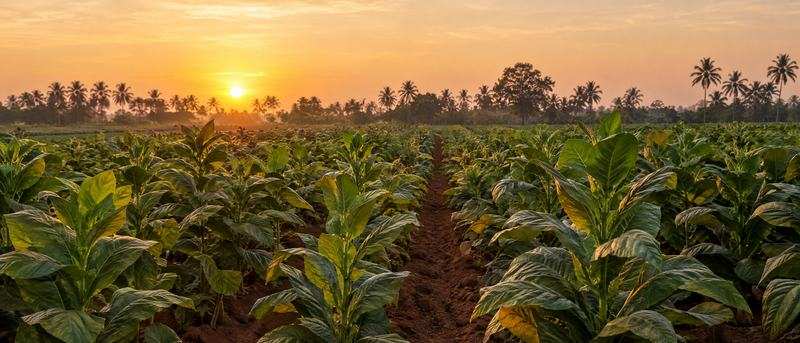
African Tobacco Leaf Origins Compared: Zimbabwe to Malawi
Compare African tobacco leaf origins: Zimbabwe, Malawi, Tanzania and Mozambique by leaf type, sales channel and port routes for leaf buyers.
Read the article →
FOB vs CIF vs CFR for Tobacco Shipments (Incoterms 2020)
FOB, CIF and CFR explained for tobacco buyers under Incoterms 2020: who pays what, where risk passes and what to watch in container packing.
Read the article →
Letter of Credit vs Telegraphic Transfer in Tobacco Trade
How letters of credit and telegraphic transfers work in tobacco trade, the risks each carries for buyers and sellers, UCP 600 basics and discrepancy traps.
Read the article →
Nicotine Extraction Feedstock: What the Plant Buyer Specifies
How an extraction plant buys tobacco feedstock: contained nicotine per tonne, moisture basis, sand, particle size and the checks to run before committing volume.
Read the article →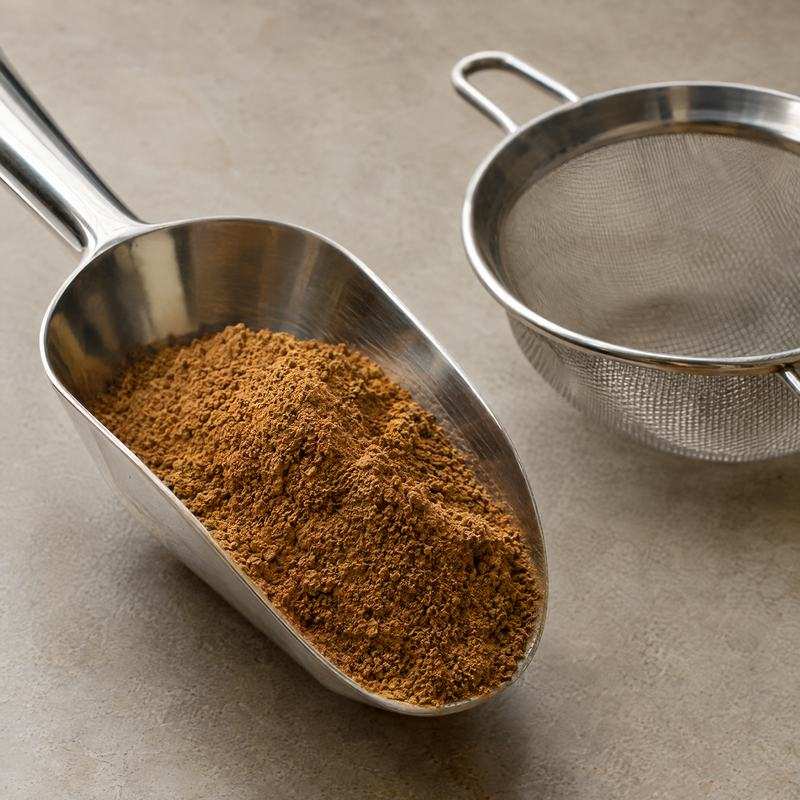
Tobacco Dust Grades by Nicotine: How to Specify a Lot
Dust is graded by nicotine, not by leaf appearance. How a grade number should be read, what basis and method sit behind it, and which other lines to write down.
Read the article →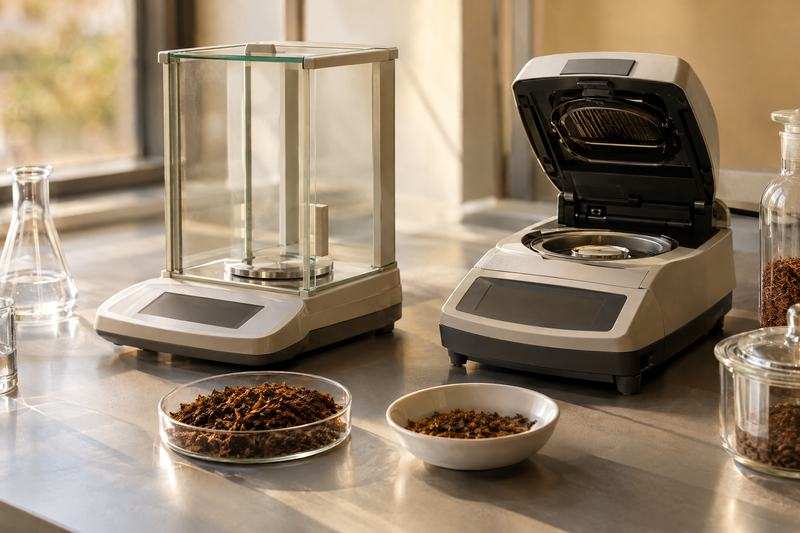
How to Read a Tobacco Certificate of Analysis
A line-by-line way to read a tobacco certificate of analysis: sample identity, method, basis, date and tolerance, and what a COA does and does not prove.
Read the article →
Moisture and Packing for Export Tobacco: What Holds Condition
Why tobacco gains and loses water, what a moisture limit at loading can and cannot promise, how cartons and bags are chosen, and how to keep a container dry.
Read the article →No articles match. Try a shorter search or choose All topics.
One email when a new guide goes live.
No more than one a month, written for business readers, with an unsubscribe link in every message.
Test the material yourself.
Send the product, quantity and destination. We reply within one to two working days, India time.