

Markets
United States: India pays the general duty plus 10% Section 301, and the quota applies only to cigarette-use leaf
The US imported US$880.1M of unmanufactured tobacco (HS 2401) in 2025, about 127 kt, with India supplying roughly 4-6% by volume, mainly stemmed leaf.
At a glance
The US market in brief
| Market size | US$807.0M (2024) and US$880.1M (2025), about 122-127 kt (US-reported, UN Comtrade). |
|---|---|
| India's share | About 4-6% by volume in 2024-2025 on US-reported figures; Indian-reported figures are lower. |
| Duty for India | The HTS general rate plus a 10% Section 301 duty (heading 9903.05.44) in force since 24 July 2026. |
| Quota | For leaf used in cigarettes, India falls in a 3,000 MT "other countries" bucket, with 350% over quota. Tobacco for products other than cigarettes has no quota. |
| Permit and inspection | A TTB permit applies to importers of processed tobacco, and USDA AMS may inspect imported tobacco for grade and residues. |
Regulatory statements on this page are as of October 2026; confirm with your importer or customs broker. Sources: UN Comtrade public preview API, HS 2401, reporters United States and India, 2024-2025; US International Trade Commission, Harmonized Tariff Schedule, chapters 24 and 99 (revision 20, 2026); 27 CFR part 41; 7 CFR part 29.
Market snapshot
US imports of unmanufactured tobacco and India's share
Reported values for HS 2401 differ between the US and Indian customs records, so both are shown.
| Year | US imports, all origins (US-reported) | From India (US-reported) | To US (India-reported) |
|---|---|---|---|
| 2024 | US$807.0M, 122.4 kt | US$31.6M, 6.97 kt (5.7% of volume) | US$25.2M, 7.28 kt |
| 2025 | US$880.1M, 126.9 kt | US$20.3M, 5.40 kt (4.3% of volume) | US$11.6M, 4.42 kt |
Of India's US$20.3M in 2025 (US-reported), stemmed and stripped leaf (2401.20) was US$15.0M, unstemmed leaf (2401.10) US$5.0M and refuse (2401.30) US$0.27M. The largest origins by value in 2025 were Brazil, the Dominican Republic, Turkey, the Philippines and Canada. Refuse is a small segment, about US$17M and 19 kt in 2025, led by Brazil.
Pyxus reports in its filing for the quarter to 31 March 2026 that stems, small lamina and scrap go into rolled stems and reconstituted tobacco. Altria reports adjusted industry cigarette volume down about 5% in the second quarter of 2026, with nicotine pouches at almost 60% of the oral category.
Sources: UN Comtrade public preview API, HS 2401, annual, reporter United States (imports) and reporter India (exports), 2024 and 2025; shares computed from the figures shown. Pyxus International, Form 10-K, quarter ended 31 March 2026 (SEC EDGAR); Altria second-quarter 2026 results, as reported by Tobacco Insider.
What an importer pays
General column rates, plus 10% under Section 301
The HTS special column does not list India, so general column 1 rates apply. Rates below are for the lines most relevant to our range.
| HTS line | Description | General rate |
|---|---|---|
| 2401.20.83 | Threshed or similarly processed leaf (lamina), for products other than cigarettes | 37.5 c/kg |
| 2401.20.31 | Stemmed or stripped, not threshed, for products other than cigarettes | 40.9 c/kg |
| 2401.30.27 | Tobacco refuse: scrap and dust, for products other than cigarettes | 28.4 c/kg |
| 2401.30.23 | Tobacco refuse: stems, not cut, ground or pulverised, for products other than cigarettes | Free |
| 2401.30.25 | Tobacco refuse: stems, cut, ground or pulverised, for products other than cigarettes | 97 c/kg |
| 2401.20.87, 2401.30.70 | Cigarette use, over quota | 350% |
Section 301 duty
India pays an additional 10% ad valorem duty under HTS heading 9903.05.44, in force since 24 July 2026, on top of the duty in the applicable subheading. No chapter 24 line appears in the exemption lists of the CBP Forced Labor HTS List. A challenge at the Court of International Trade was argued on 30 September 2026 and, as reported by Foreign Policy and Quartz, is undecided.
Tariff-rate quota
The quota applies to leaf entered for use in cigarettes. The quota year runs from 13 September to 12 September, and India sits in the "other countries or areas" bucket of 3,000 MT. Over quota, the rate is 350%. Tobacco used in products other than cigarettes has no quota, and leaf used to prepare roll-your-own tobacco counts in that group under Additional U.S. Note 5(e).
Sources: USITC Harmonized Tariff Schedule, chapter 24 (general column 1, revision 20, 2026) and Additional U.S. Note 5; chapter 99, heading 9903.05.44; CBP Forced Labor HTS List (23 July 2026); Foreign Policy (29 September 2026) and Quartz (30 September 2026) on the Court of International Trade case.
What an importer needs
A TTB permit for processed tobacco, and USDA AMS inspection on request
TTB permit
Under 27 CFR 41.231, a person starting business as an importer of processed tobacco obtains an importer-of-processed-tobacco permit (or an amendment to an importer-of-tobacco-products permit) first. At entry the importer gives the permit number, EIN, ultimate consignee, product description and quantity (27 CFR 41.265). The importer confirms with TTB or counsel how this applies to each product line, stems and dust included.
USDA AMS inspection
Under 7 CFR 29.400, tobacco offered for importation is inspected for grade or pesticide residue on request. The importer gives the AMS Director at least five working days' notice before unloading for warehousing, manipulation or manufacturing (29.402) and pays inspection fees (29.500). Maximum residues for flue-cured and burley are published in 29.427, and stems fall within the definition of tobacco for inspection.
Sources: 27 CFR 41.231 and 41.265 (eCFR, 1 October 2026); 7 CFR 29.400, 29.402, 29.427 and 29.500 (eCFR, 1 October 2026).
Who does what
Importer and supplier, task by task
| Task | US importer | Indileaf |
|---|---|---|
| Permit and registrations | Holds and maintains them | Supplies the specification and documents the importer asks for |
| Tariff line, quota and duty | Confirms the line, end use and duty with its broker | States the HS heading and product description identically on every document |
| Sample and specification | Tests the sample and agrees the specification | Sends the sample with its specification sheet |
| Export documents | Tells us what its broker needs | Prepares the export document set |
| Freight and clearance | Pays duty and clears the cargo; books the main carriage where the agreed Incoterm leaves it to the buyer | Clears the export side in India and prepares the export documents |
What we supply
A specification agreed before anything ships
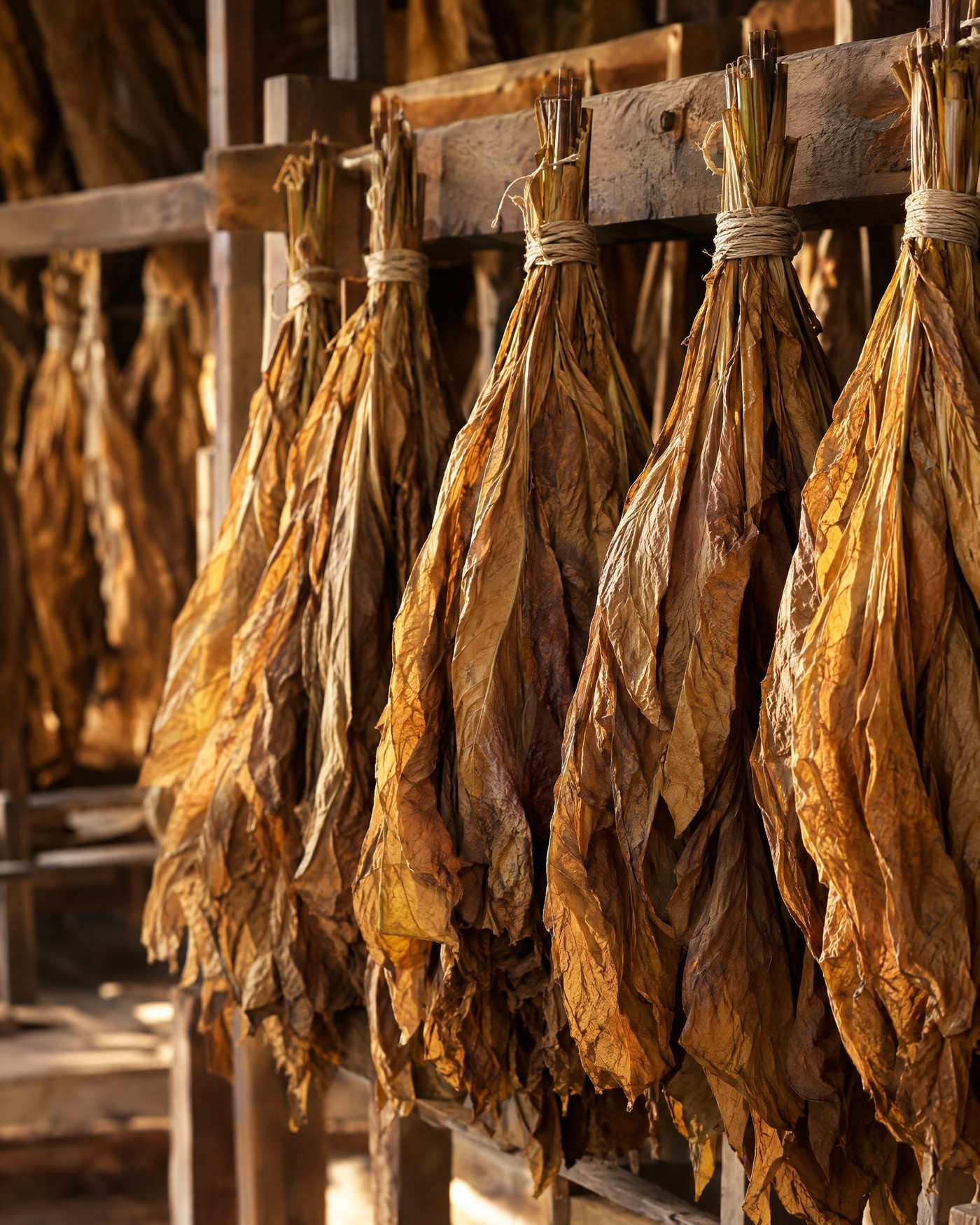
Lamina (HS 2401.20), high-nicotine scrap, stems and dust (HS 2401.30) and leaf (HS 2401.10) from our own plant in Gujarat, crop 2026. High-nicotine scrap is a product in its own right, sun-cured Nicotiana tabacum sold on nicotine block and mesh, in four blocks: Standard 1.0-3.5%, Medium 3.6-4.0%, High 4.1-4.5% and Premium 4.6-5.5%. Moisture is not above 12% at loading.
Full ranges are on the products page, and the grade finder narrows the choice. Samples carry a specification sheet, and third-party laboratory certificates are available.
Shipping
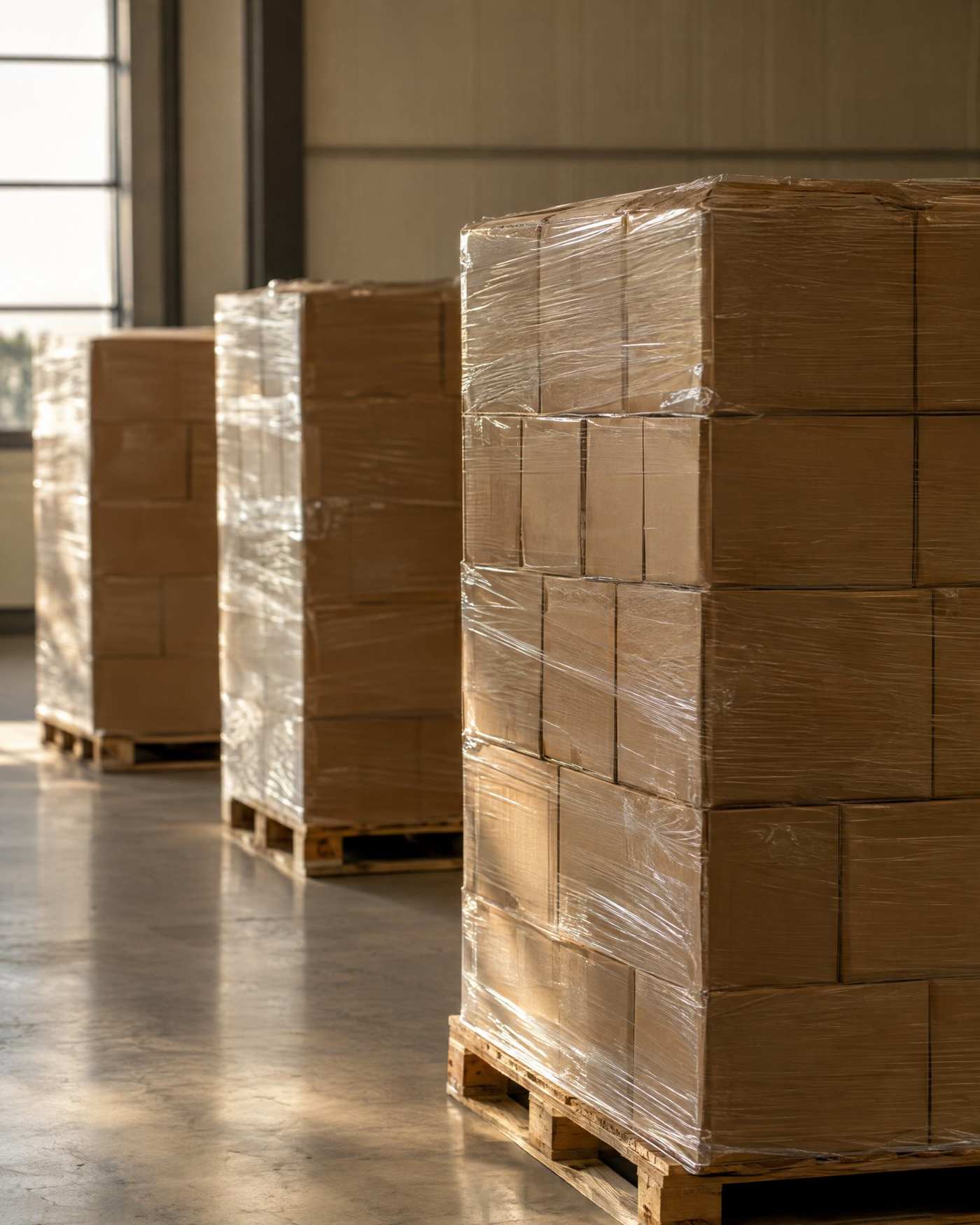
Containers from an Indian port to a US port
Your customs broker advises on the port of entry and the entry documents. For background on how an Incoterm divides freight and risk, see FOB vs CIF vs CFR for tobacco shipments.
Questions
What US importers ask
What duty applies to Indian tobacco scrap or dust entering the US?
The general rate on HTS 2401.30.27 is 28.4 cents per kg for use in products other than cigarettes, plus a 10% Section 301 duty on value for India since 24 July 2026. Cigarette use over quota is 350%.
Does India have a quota or a preferential rate?
India pays general column rates, as the HTS special column does not list it. For leaf used in cigarettes, "other countries or areas" share a 3,000 MT quota in a year that runs from 13 September to 12 September. Other end uses have no quota.
What do stems cost to import?
Stems that are not cut, ground or pulverised are free of duty in the general column for products other than cigarettes, and cut or ground stems pay 97 cents per kg, in each case plus the Section 301 duty. Importers confirm with TTB or counsel whether a permit applies to stems and dust.
Can the leaf be inspected on arrival?
Yes. USDA AMS may inspect imported tobacco for grade and pesticide residue on request, with at least five working days' notice before unloading for warehousing, manipulation or manufacturing, and publishes maximum residues for flue-cured and burley.
Send the specification, intended use and the US port
Email contact@indileaf.co or ring +91 80001 50037 with the grade, intended use and port of entry, and we will send options.