
Leaf
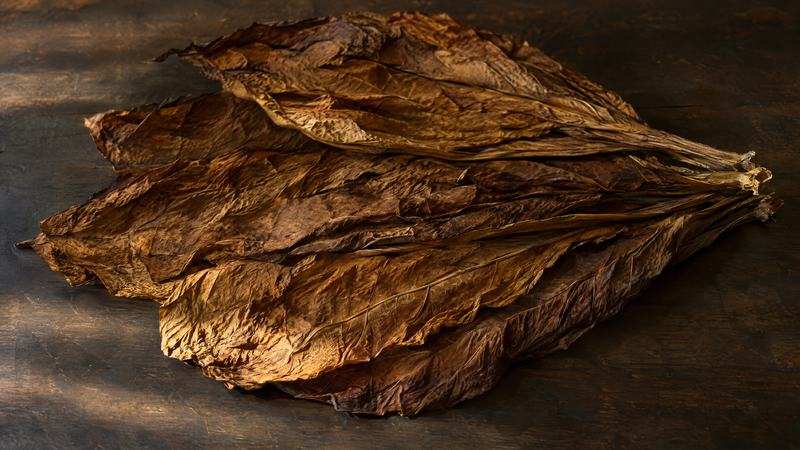
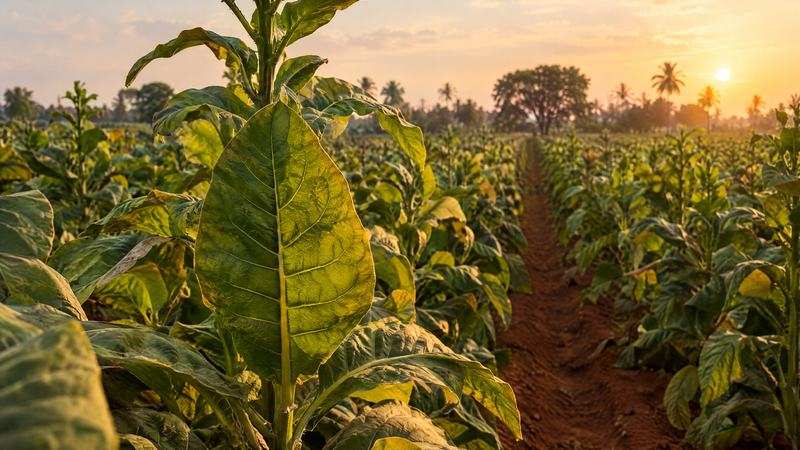
Whole cured leaf: flue-cured Virginia, and Gujarat types including bidi tobacco.
Used forVirginia for cigarette and cut-tobacco blends, Gujarat bidi tobacco for bidi, and Gujarat lots selected for a good smoking profile.
Indileaf Ventures LLP · Gujarat, India
Leaf, lamina, sun-cured high-nicotine scrap, stems and dust for manufacturers, leaf merchants and nicotine extractors. From the 2026 crop, processed and graded in our own plant in Gujarat. A sample and specification sheet come before any order.
Request a sampleSend an enquiry
* Capacity varies by season.
The range
Whole cured leaf: flue-cured Virginia, and Gujarat types including bidi tobacco.
Used forVirginia for cigarette and cut-tobacco blends, Gujarat bidi tobacco for bidi, and Gujarat lots selected for a good smoking profile.
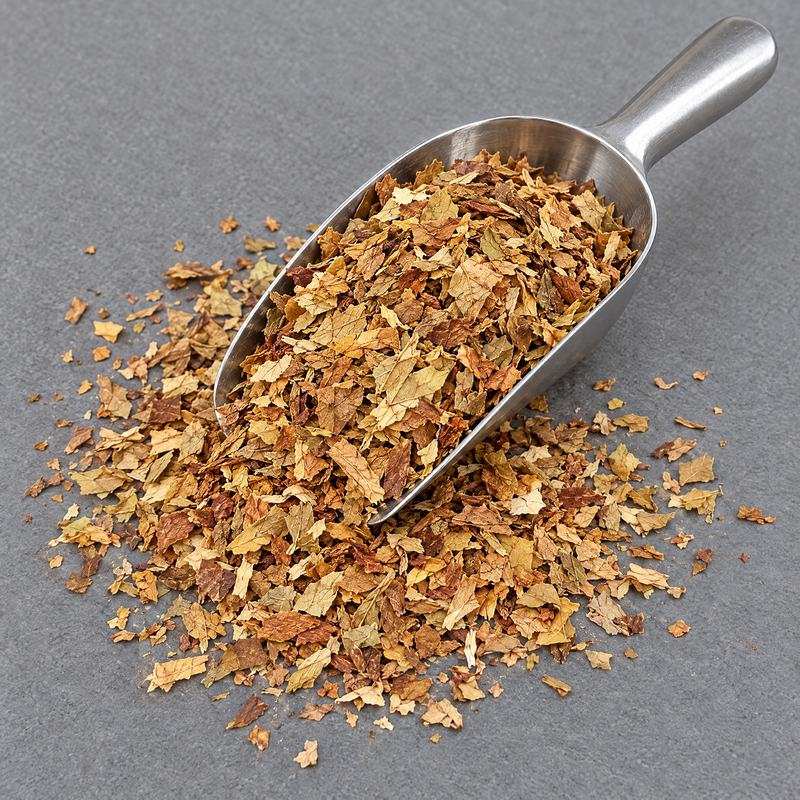
Threshed strips, ready for the blender.
Used forBlending into cigarette and cut-tobacco products.
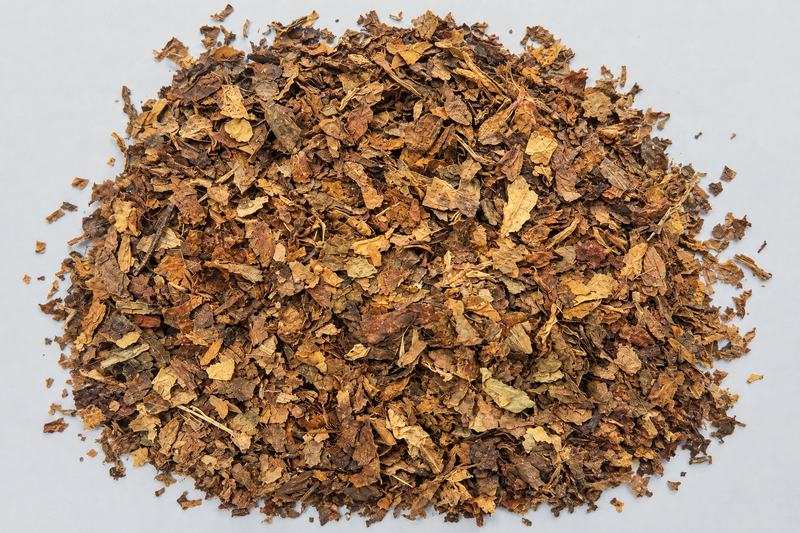
Sun-cured Nicotiana tabacum scrap from Gujarat, a product in its own right, sold by nicotine block.
4 million kg annual supply capacity*
Used forNicotine extraction and reconstituted tobacco sheet.
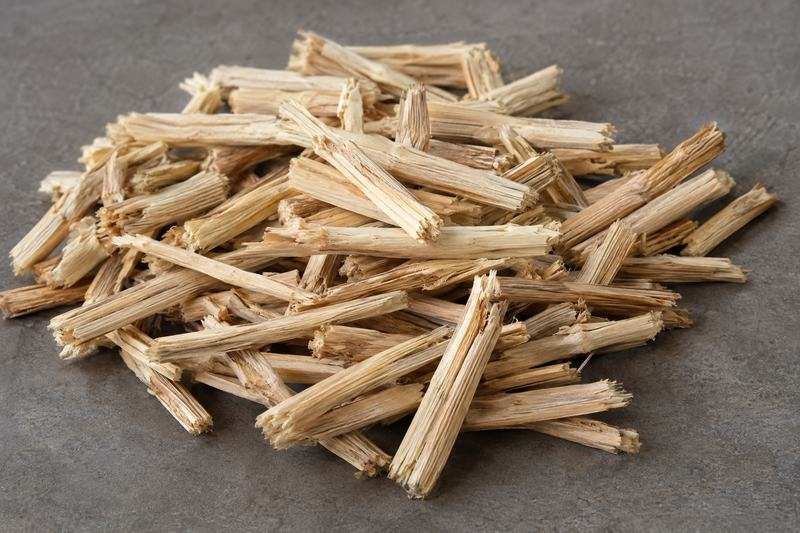
The woody midrib, a by-product of threshing.
Used forAn input for reconstituted tobacco sheet.
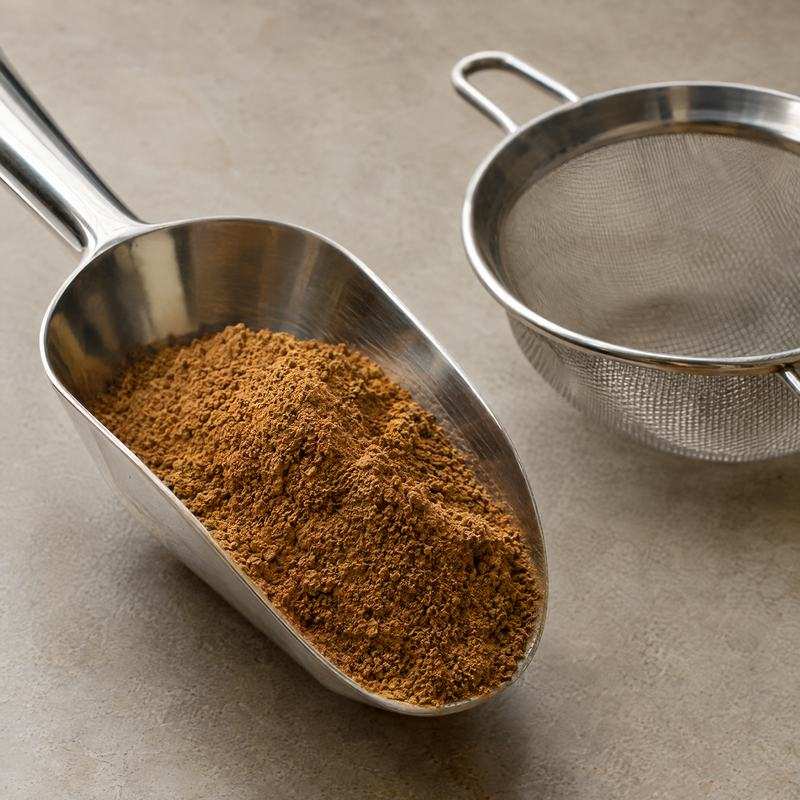
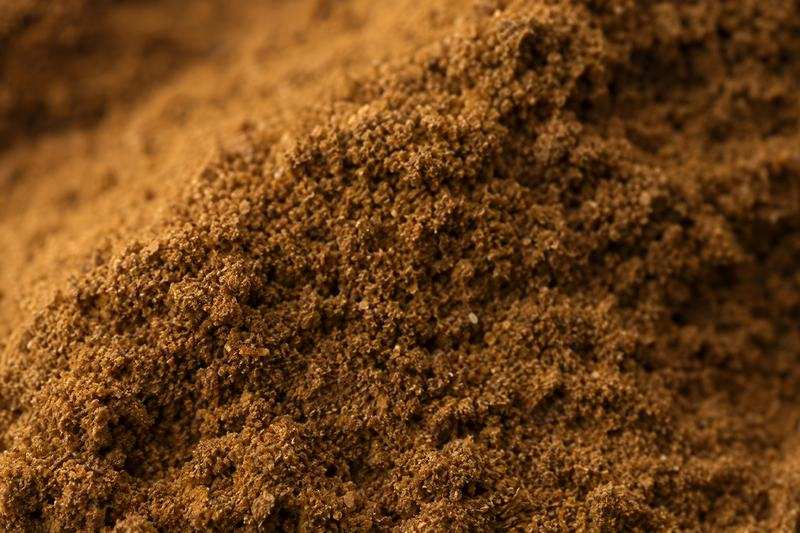
The fine fraction, sold in six nicotine grades.
Used forNicotine extraction and reconstituted tobacco sheet.
* Capacity varies by season. Full range and specifications
The nicotine ruler
Extractors buy on nicotine first; moisture, sand, particle size and the basis of the figure, as-is or dry, are agreed alongside it. Set a target on the ruler to see which materials fall there.
Move the handle along the ruler to set a target. At 4.3% the material is High (4.1–4.5%), and typical Gujarat scrap lots run 4.1–4.7%.
Ask about this gradeOpen the grade finderDust sample instead
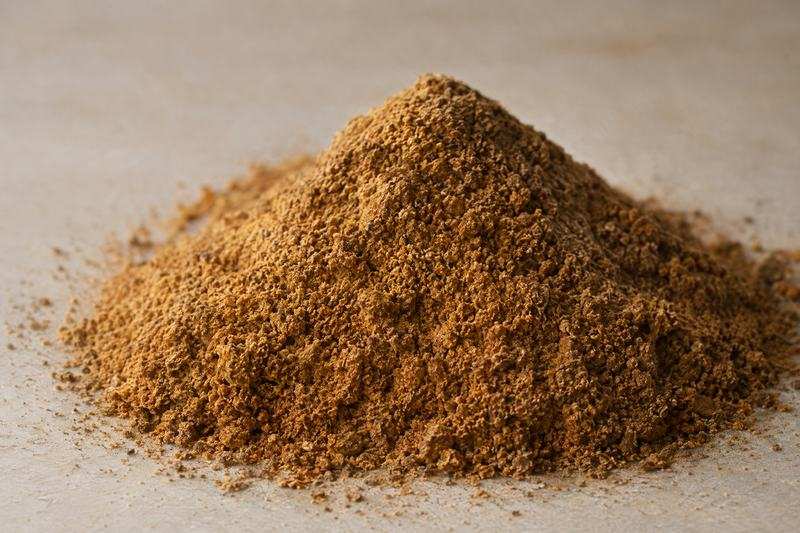
Six grades
1.0–4.0%
Fine fraction
Scrap
1.0–3.5%
Coarse pieces
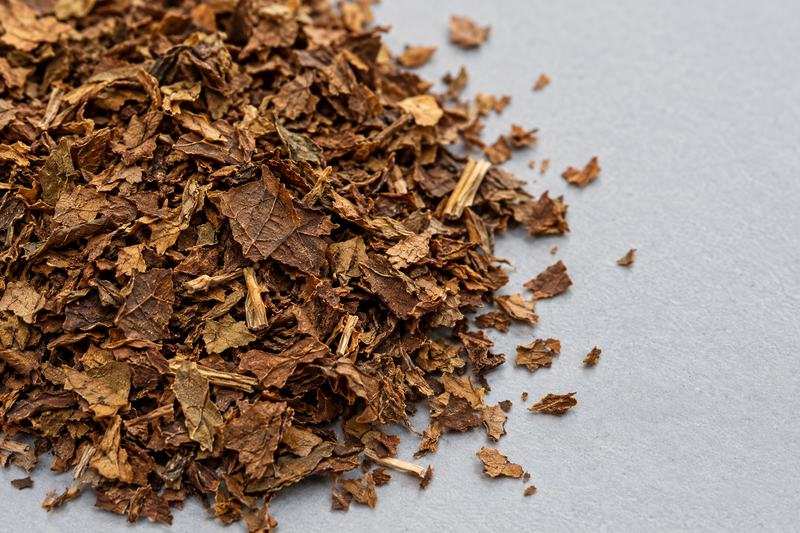
Scrap
3.6–4.0%
Coarse pieces
Scrap
4.1–4.5%
Coarse pieces
Scrap
4.6–5.5%
Coarse pieces
| Specimen | Form | Typical nicotine |
|---|---|---|
| Dust, six grades | Fine fraction | 1.0–4.0% |
| Scrap, Standard | Coarse pieces | 1.0–3.5% |
| Scrap, Medium | Coarse pieces | 3.6–4.0% |
| Scrap, High | Coarse pieces | 4.1–4.5% |
| Scrap, Premium | Coarse pieces | 4.6–5.5% |
| Typical Gujarat scrap lots | Scrap | About 4.1–4.7% |
Ranges are typical. Gujarat high-nicotine scrap is a product in its own right, sun-cured on open ground and sold on nicotine block and mesh. Dust has a certificate of analysis for every batch, and stems, a by-product of threshing, are quoted lot by lot with nicotine confirmed on the test report.
Six stages
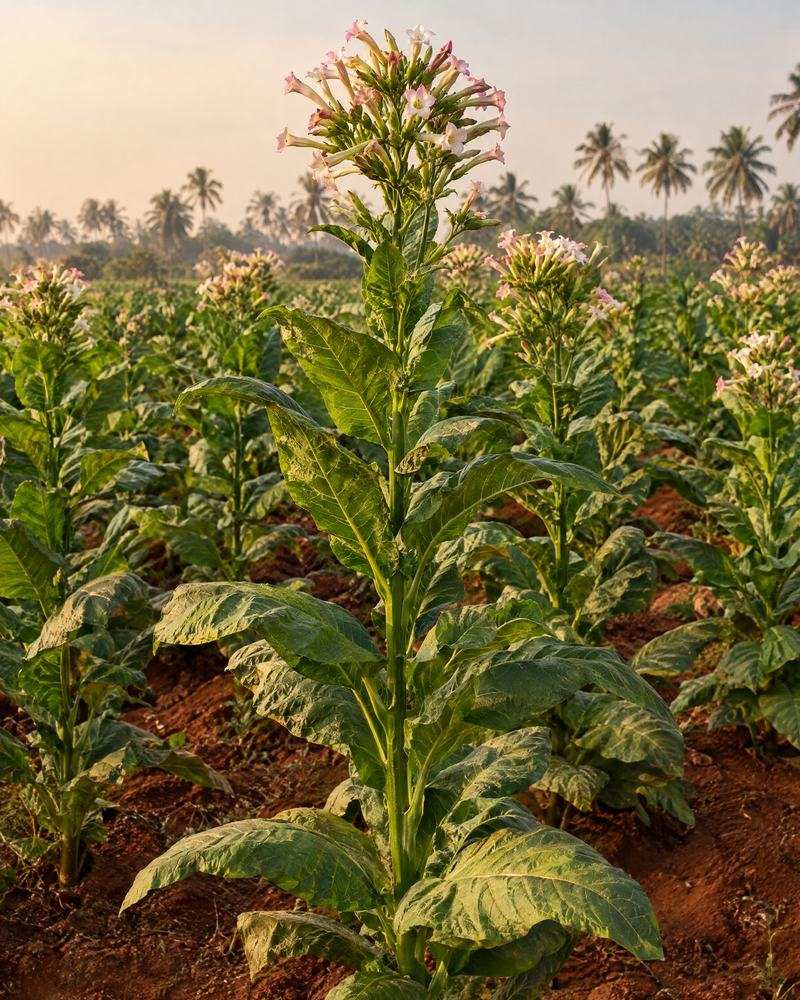
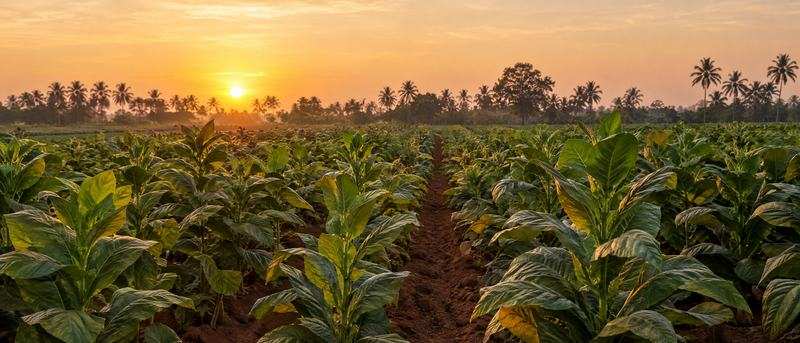
Grown by farmers in Gujarat, Andhra Pradesh and Karnataka.
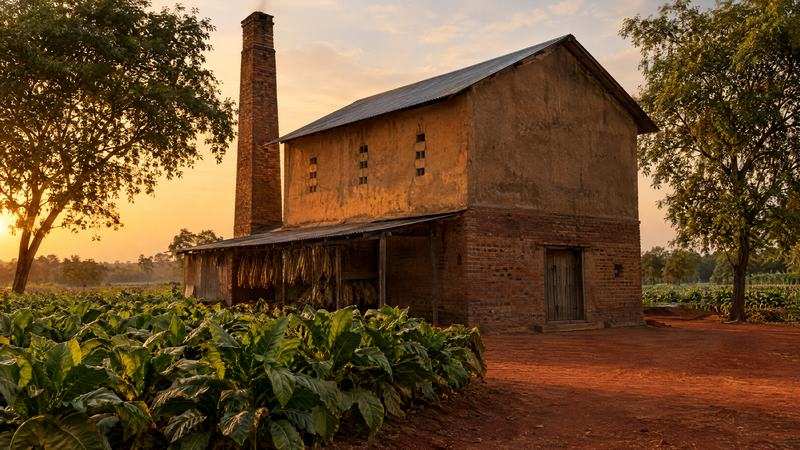
Virginia is flue-cured in barns; other types are sun- or air-cured.
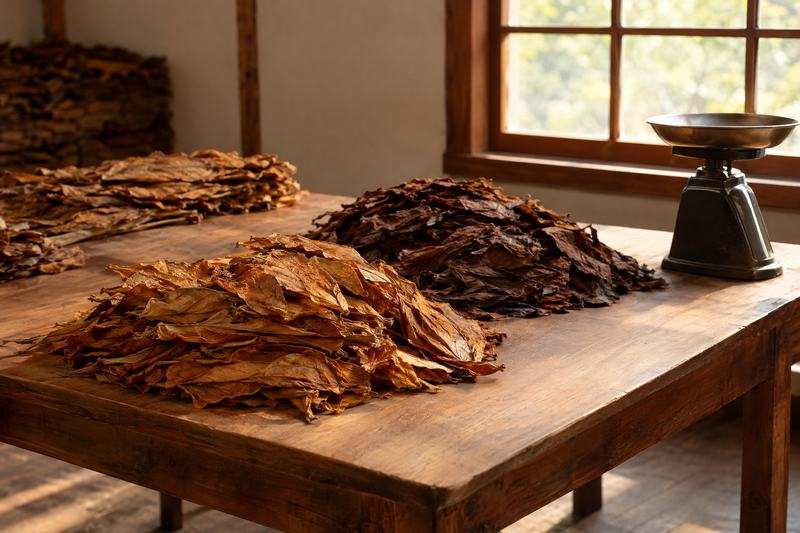
Threshed, cleaned, sorted, graded and screened in our own plant, then checked against the specification sheet.

Packed in cartons or bags, whichever suits the product.
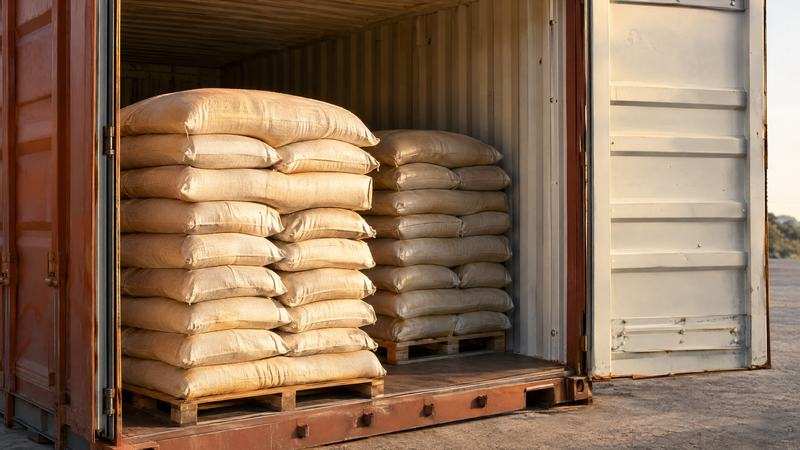
Packed material is loaded into a container for shipment.

Shipped from an Indian port, with help on the export documents.
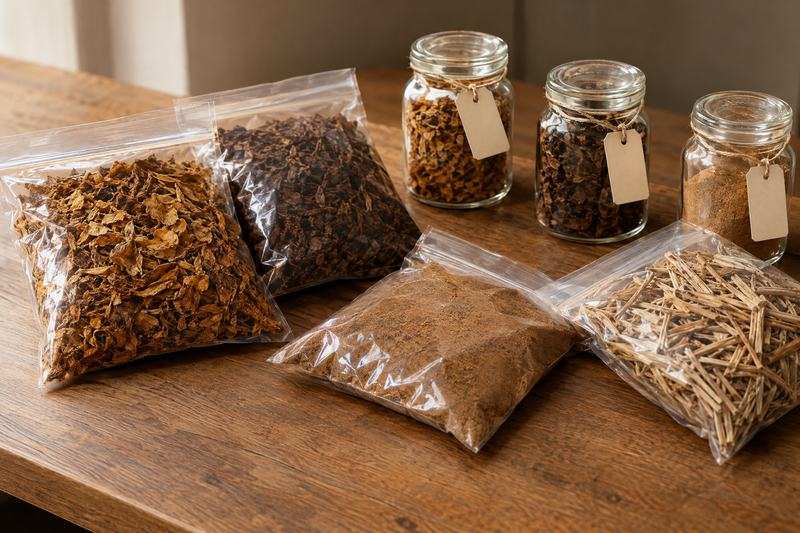
How a sample works
A sealed retained sample is kept from each lot, and dust ships with a certificate of analysis per batch.
Who we supply
Virginia leaf and lamina for cigarette and cut-tobacco blends, and Gujarat bidi tobacco for bidi.
Cured leaf and lamina for onward trade, with a sample and specification sheet beforehand.
Dust and high-impact scrap, bought by nicotine content.
Scrap, stems and dust, used as inputs for reconstituted tobacco sheet.
Where and when
We take enquiries from every region; the arcs are schematic and do not record actual shipments.
Schematic routes from Indian ports; we help with the export documents. Regional market notes
India grows tobacco on several calendars, so some crop is always in motion. Gujarat bidi tobacco is marketed around April and May, and flue-cured Virginia in Andhra Pradesh from about spring to autumn and in Karnataka from autumn to spring.
The season ribbon is drawn from our public crop calendar.
Public agronomic calendar; windows shift with weather and variety. Open the full crop calendar
Sustainability and STP
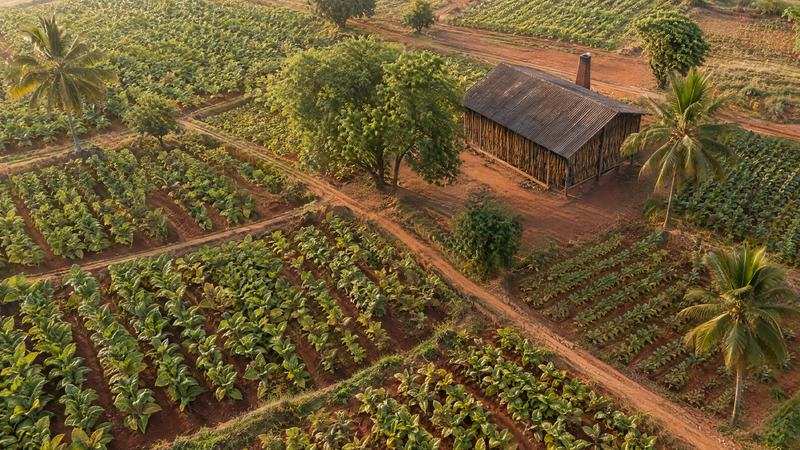
Indileaf runs STP-aligned practices with its contracted farmers, and implements them for customers who require it: a contracted farmer group with field-technician support, farmer training and free protective equipment, farm-to-lot records for that group, and an independent human-rights assessment completed in 2026. The programme covers the contracted group; our wider sourcing network numbers 1,500+ farmers, and purchase and lot records are kept for all supply. Our high-nicotine scrap and Gujarat types are sourced in Gujarat, and our flue-cured Virginia in Andhra Pradesh and Karnataka; the current crop is 2026. We procure from areas known to produce low-chloride leaf and select within them. Threshing, cleaning, sorting, grading and screening all happen in our own plant in Gujarat, and lots are screened in our own laboratory.
Registered exporter with the Tobacco Board of India; registration details on request.
Give us the product, quantity and destination. We usually reply within one to two working days (India time) with options and next steps, or you can message us on WhatsApp.
Ask about a sampleSend an enquiry

This website is for business buyers only. Indileaf Ventures LLP supplies unmanufactured tobacco to businesses. By entering you confirm that you are 18 or over and visiting on behalf of a business.