

Markets
Indonesia imported 214,000 tonnes of tobacco in 2025. India is now its third-largest source of stemmed leaf
Indonesian imports of unmanufactured tobacco (HS 2401) rose from 129 kt in 2023 to 214 kt in 2025. Stemmed leaf is about 78% of that volume, and refuse (scrap, stems and dust) has tripled in three years. This page sets out who supplies the market, how the kretek industry shapes demand, who may import, and how a shipment is approved.
Indonesia, 2025
Four figures that describe the market
Imported, US$1.17bn
All unmanufactured tobacco, HS 2401. A record, up from 129 kt in 2023.
Stemmed leaf
166.5 kt of the total came in as stemmed leaf (HS 2401.20), worth US$1.09bn.
Refuse
Scrap, stems and dust (HS 2401.30), up from 13 kt in 2022.
Stemmed leaf from India
Up from 7.8 kt in 2022. India ranks third, behind China and Brazil.
Source: Indonesian import statistics via UN Comtrade / World Bank WITS, calendar years 2022 to 2025.
What Indonesia imports
Imports have grown by two thirds in two years, and stemmed leaf carries them
| Year | Volume | Value (CIF) |
|---|---|---|
| 2023 | 129.2 kt | US$633M |
| 2024 | 167.8 kt | US$911M |
| 2025 | 214.4 kt | US$1,174M |
| HS line, 2025 | Volume | Value (CIF) |
|---|---|---|
| 2401.20 stemmed or stripped leaf | 166.5 kt | US$1,092M |
| 2401.30 refuse | 41.0 kt | US$41M |
| 2401.10 not stemmed | 7.0 kt | US$41M |
Within stemmed leaf, one analysis of Indonesian customs data puts Virginia flue-cured at about 72% of volume, with other flue-cured at 15.7%, oriental at 6.2% and burley at 5.2%. The stemmed-leaf line is therefore mostly flue-cured lamina.
Sources: UN Comtrade / WITS (Indonesia as reporter), 2023 to 2025; 2023 total is the sum of its subheadings. Type split: The Jakarta Post analysis of BPS data, August 2026.
India's position
India's stemmed leaf to Indonesia has almost quadrupled in three years
India supplied 7.8 kt of stemmed leaf in 2022 and 28.7 kt in 2025. That is 17% of Indonesia's stemmed-leaf volume, up from 6.5%.
| Stemmed leaf (2401.20), kt | 2022 | 2023 | 2024 | 2025 |
|---|---|---|---|---|
| World | 119.6 | 100.1 | 132.6 | 166.5 |
| China | 56.9 | 36.1 | 36.7 | 47.9 |
| Brazil | 22.2 | 19.9 | 19.0 | 30.9 |
| India | 7.8 | 15.4 | 19.9 | 28.7 |
| Zimbabwe | 7.6 | 4.7 | 11.8 | 13.1 |
| India's share of volume | 6.5% | 15.3% | 15.0% | 17.2% |
India's own export statistics point the same way. The Tobacco Board of India records 32,313 t of HS 2401 shipped to Indonesia in 2024-25, worth INR 1,264.89 crore, against 21,693 t and INR 724.73 crore a year earlier. Indonesia was India's third-largest market for unmanufactured tobacco by value, after Belgium and the UAE, and took about 10% of Indian export volume.
Sources: UN Comtrade / WITS (Indonesia as reporter), calendar years; share is our arithmetic. Tobacco Board of India, Annual Report 2024-25, table 1.2.3 (financial year, FOB value). The Indian and Indonesian series differ in year, valuation basis and classification, so read them as two views rather than one series.
The industry
Kretek sets the shape of demand
Kretek, the clove cigarette, accounted for more than 95% of sticks sold in Indonesia in 2017, according to government figures. White (non-clove) cigarettes are a small segment, and the one reported to depend most on imported Virginia, burley and oriental leaf.
Output in 2025 was 307.8 billion sticks, 3% below 2024 and the lowest in at least ten years. The highest-excise machine-made kretek tier fell 11.5%. Consumers are trading down towards hand-rolled kretek, which carries lower excise. The government held cigarette excise tariffs flat for 2026.
Indonesia also grows its own leaf. The Jakarta Post puts the 2025 domestic crop at about 330 kt against an industry requirement of 315 to 340 kt, and notes that imports of 214 kt were more than twice the stated shortfall. Imported Virginia lamina is a staple filler in machine-made kretek.
| Segment | What it is |
|---|---|
| SKM | Machine-made kretek: tobacco blended with shredded clove. The largest segment by volume. |
| SKT | Hand-rolled kretek, taxed in a lower excise tier. Gaining share as consumers trade down. |
| SPM | Machine-made white cigarette, American-blend style, on Virginia, burley and oriental leaf. Contracting under higher excise. |
Sources: Tobacco Tactics Indonesia profile citing government 2017 data; Bea Cukai excise-paid production for 2025 as reported by CNBC Indonesia, January 2026; Ministry of Finance statement on 2026 excise, September 2025; CRIF Asia and The Jakarta Post (August 2026) on domestic production.
Scrap, stems and dust
Refuse is the fastest-growing line, and the supply base is wide
HS 2401.30 groups scrap, stems and dust under one heading, so the statistics cannot tell them apart. Volume rose from 13.3 kt in 2022 to 41.0 kt in 2025 at an average declared value of about US$1.00 per kg in 2025.
| Refuse (2401.30), kt | 2022 | 2023 | 2024 | 2025 |
|---|---|---|---|---|
| World | 13.3 | 19.6 | 28.3 | 41.0 |
| India | 0.3 | 1.6 | 5.9 | 4.5 |
| Zimbabwe | 2.0 | 1.4 | 3.8 | 10.8 |
| Tanzania | 0.2 | 0.6 | 1.2 | 6.3 |
| Brazil | 0.4 | 3.3 | 1.7 | 5.3 |
| China | 6.3 | 5.8 | 7.4 | 3.3 |
India was the largest supplier in 2024 and Zimbabwe in 2025, with African origins gaining share and no single origin dominating. How Indonesian manufacturers use these grades is not published, so the figures show that a buyer base exists without saying which end use drives it. Reconstituted sheet, made from stem fibre, dust and a binder, and nicotine extraction are the general technical routes for refuse.
Source: UN Comtrade / WITS (Indonesia as reporter), HS 2401.30, 2022 to 2025. Average value is declared CIF value divided by quantity.
Who may import
An Indonesian importer holds the approval, and each shipment is verified before loading
Only companies with an API-P (producer importer) or API-U (general importer) identification number may import tobacco. An API-P holder uses imported leaf as raw material for its own factory and may not resell it. API-U holders are intended to supply small and medium manufacturers that do not import themselves.
Rules change, and your importer confirms current requirements before an order is placed.
- Import approval. The importer obtains a Persetujuan Impor before the goods are loaded. It specifies quantity, type, HS code, loading port, origin and destination port.
- Verification at origin. A Ministry-approved surveyor verifies the shipment in the country of loading.
- Surveyor report. The Laporan Surveyor is issued for one shipment and one customs declaration, and carries the HS code, quantity and destination port.
- Customs entry. The import approval, the surveyor report and the customs declaration have to agree.
Sources: Permendag 16/2025 (import approval, technical verification, surveyor report); Permendag 84/2017 on tobacco imports as summarised on the Ministry of Trade's JDIH legal database.
Ports and lanes
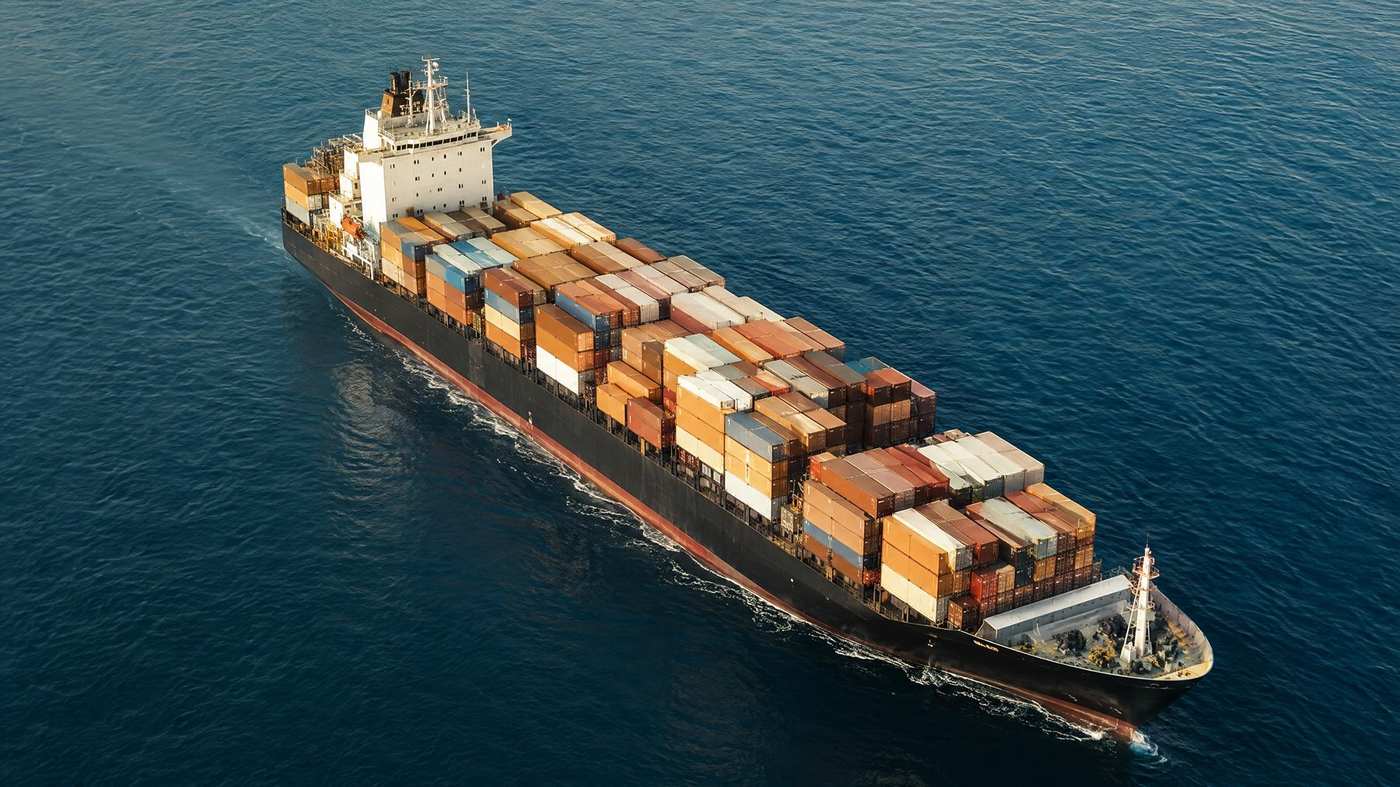
Surabaya, Jakarta and Belawan are the main container gateways
Tanjung Perak (Surabaya) serves East Java, where most of the cigarette factories and kretek leaf are. Tanjung Priok (Jakarta) is Indonesia's busiest port, and Belawan serves Medan and North Sumatra. The discharge port follows the buyer's plant.
Forwarder estimates for the Chennai lane are about 16 days to Jakarta and 18 days to Surabaya, port to port. Other Indian loading ports, transshipment and clearance change the total, so take the carrier's schedule as the reference.
For how shipping terms differ, FOB vs CIF vs CFR for tobacco shipments sets them out.
What we supply
Crop 2026 lamina, scrap, stems and dust from our own plant in Gujarat
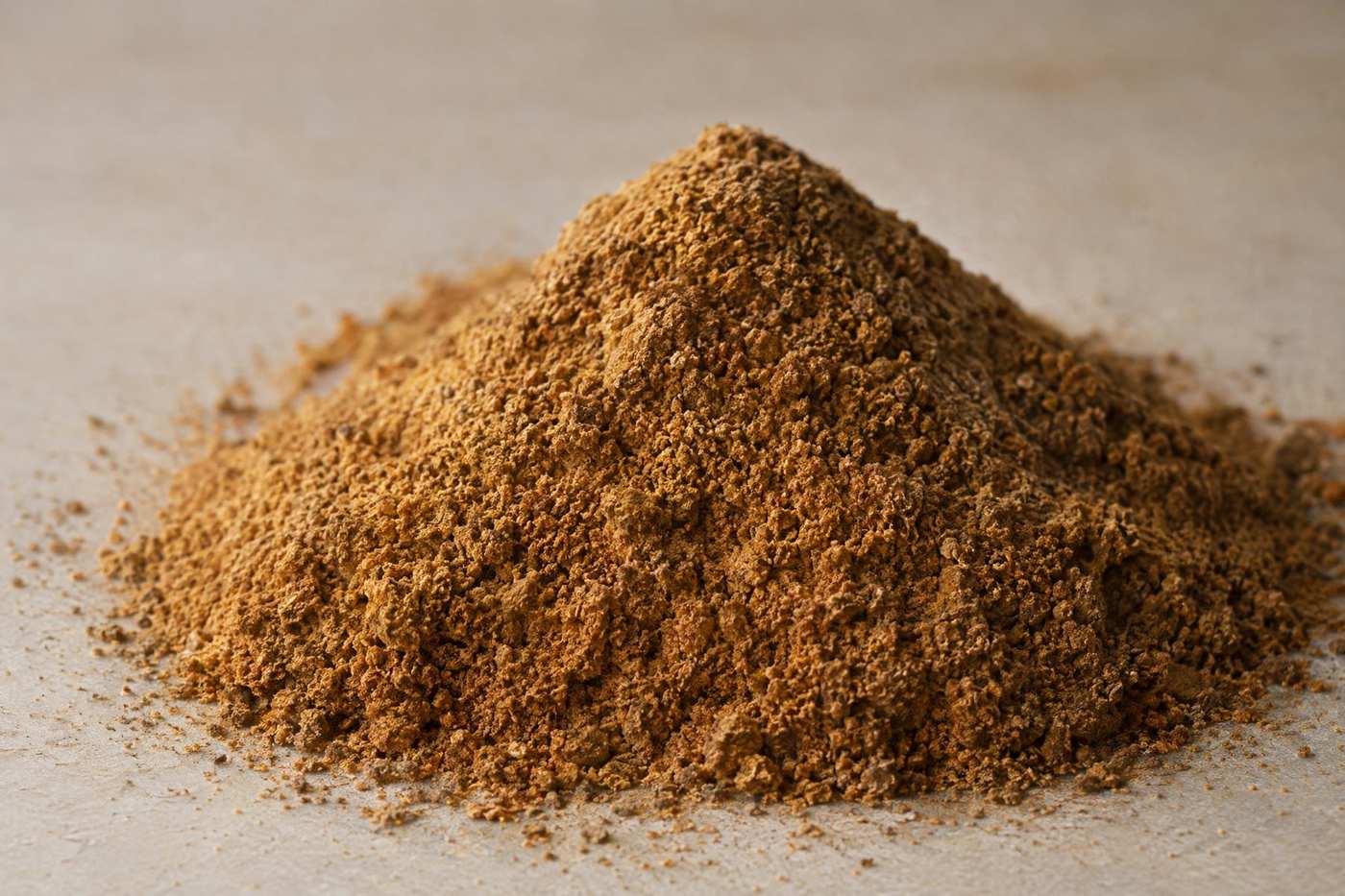
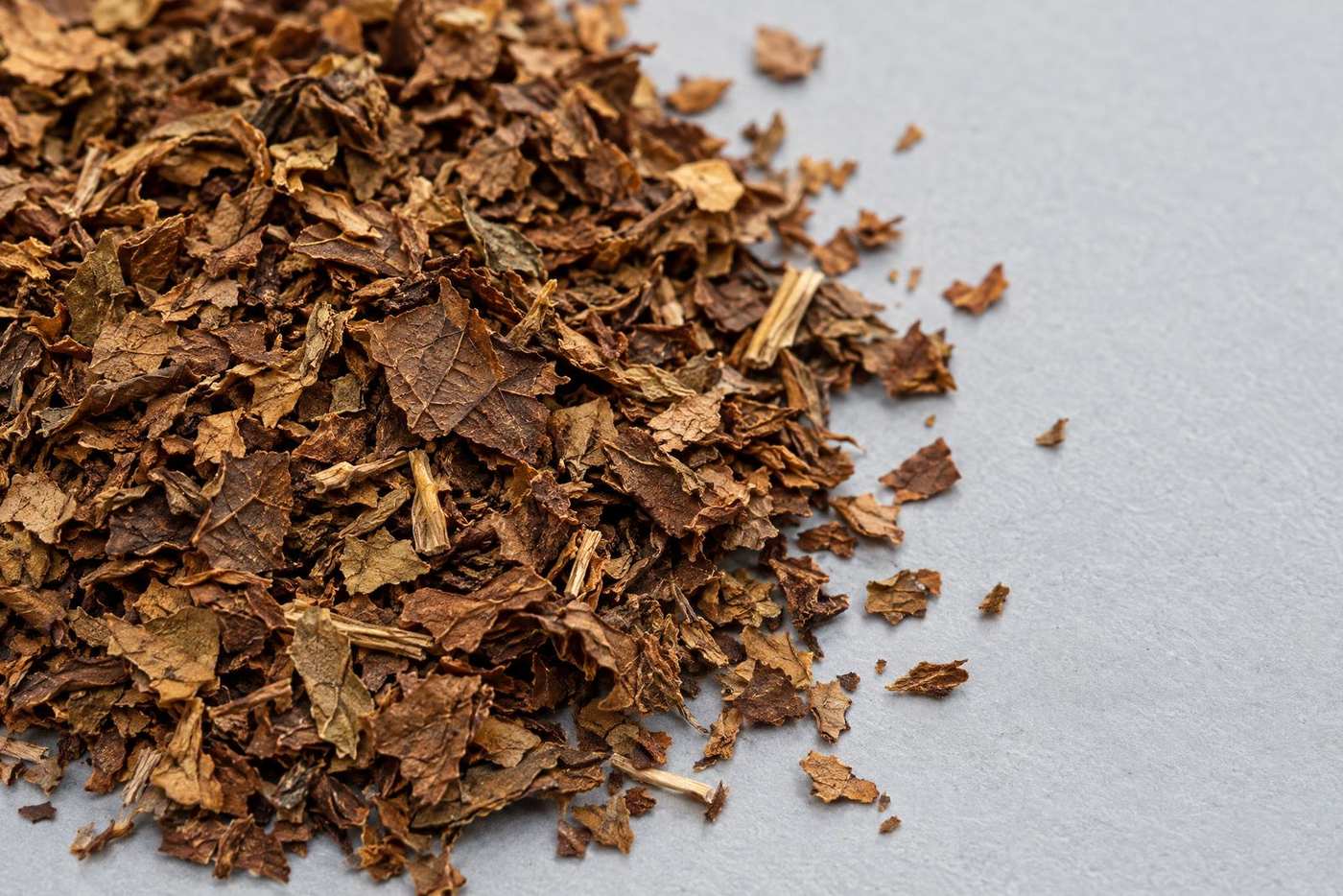
Leaf is threshed, cleaned, sorted and graded in our own plant in Gujarat. Moisture is not above 12% at loading, and every sample goes out with a specification sheet. High-nicotine scrap is a product in its own right, sun-cured Nicotiana tabacum sold in four nicotine blocks and several mesh sizes, with the basis stated per lot.
| Scrap block | Nicotine |
|---|---|
| Standard | 1.0-3.5% |
| Medium | 3.6-4.0% |
| High | 4.1-4.5% |
| Premium | 4.6-5.5% |
Buyer questions
Six questions Indonesian importers ask
Do I need an import approval and a surveyor report for each shipment?
Yes, under the general import framework. The approval comes before loading, and the surveyor report is issued after verification in the country of loading, for one shipment and one customs declaration. Tobacco-specific conditions sit in Permendag 84/2017.
Can a trader resell imported leaf to factories?
The rules distinguish API-P holders, who use leaf in their own factory and may not resell it, from API-U holders, who supply small and medium manufacturers.
How much Indian leaf does Indonesia take, and is it growing?
About 33 kt of Indian HS 2401 in 2025, 15.6% of Indonesia's imports by volume. Of that, 28.7 kt was stemmed leaf, against 7.8 kt in 2022.
What does the refuse line cover, and at what value?
HS 2401.30 covers scrap, stems and dust together. The average declared CIF value in 2025 was about US$1.00 per kg across all origins. Grades differ widely inside that average.
How long does a shipment take from India?
Forwarder estimates for the Chennai lane are about 16 days to Jakarta and 18 to Surabaya, port to port, before any transshipment and clearance.
What documents and quality records come with a sample or a lot?
Every sample goes out with a specification sheet. Each dust batch has its own certificate of analysis, a sealed retained sample is kept per lot, and material is screened in our own laboratory. Purchase and lot records are kept for all supply.
Sources and years: Indonesian import statistics (BPS) via UN Comtrade / World Bank WITS, HS 2401, calendar years 2022 to 2025; Tobacco Board of India, Annual Report 2024-25; Tobacco Tactics, Indonesia country profile (2017 kretek share); Bea Cukai production data for 2025 via CNBC Indonesia (January 2026); Ministry of Finance, 2026 excise announcement (September 2025); CRIF Asia and The Jakarta Post (August 2026) on domestic production and leaf types; Permendag 16/2025 and Permendag 84/2017. Shares, averages and growth multiples are our arithmetic on these figures. Indonesian and Indian statistics are not one series.
Send the specification and the discharge port
Email contact@indileaf.co or ring +91 80001 50037 with the grade, quantity and discharge port, and we will come back with options.