
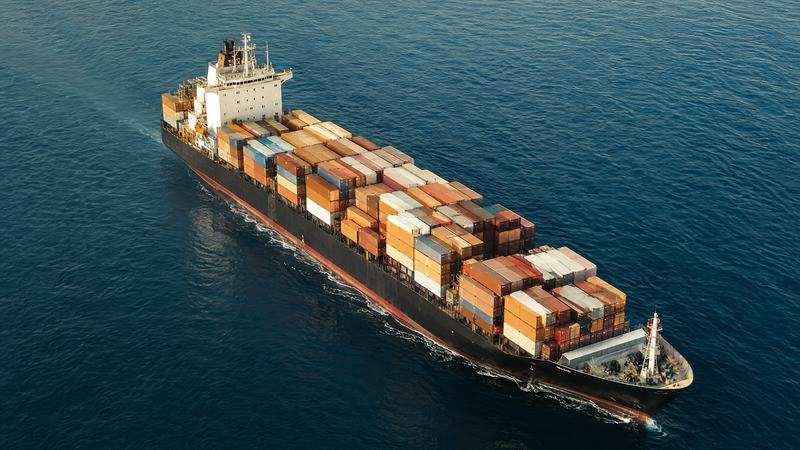
For a tobacco buyer the Incoterm decides who books and pays for each leg of the voyage and, above all, who carries the loss if something goes wrong. FOB, CFR and CIF all pass risk to the buyer once the goods are on board at the port of shipment, and they differ in who pays for freight and insurance.
Incoterms 2020 in one paragraph
Incoterms are published by the International Chamber of Commerce (ICC). The 2020 edition has eleven rules and is the current edition (ICC). They do not govern title to the goods, payment terms, or the consequences of breach; those belong in the sales contract. Always name the place with the rule, for example "FOB Nhava Sheva, Incoterms 2020".
The three rules compared
| Item | FOB (Free on Board) | CFR (Cost and Freight) | CIF (Cost, Insurance and Freight) |
|---|---|---|---|
| Who pays export clearance | Seller | Seller | Seller |
| Who pays main sea freight | Buyer | Seller, to the destination port | Seller, to the destination port |
| Who buys cargo insurance | Buyer (if any) | Buyer (if any) | Seller, minimum cover |
| Where risk passes | On board at port of shipment | On board at port of shipment | On board at port of shipment |
| Who pays destination charges and import clearance | Buyer | Buyer | Buyer |
| Modes of transport | Sea and inland waterway only | Sea and inland waterway only | Sea and inland waterway only |
The most common misreading is of CFR and CIF. The seller pays freight to your port, but the seller does not carry the risk during the voyage. If the container is damaged or lost at sea, the loss is yours, and your claim runs against the carrier or the insurance policy.
FOB: control for the buyer
Under FOB, the seller delivers the goods on board the vessel you nominate, at the named port of shipment. You book the freight, choose the carrier and the schedule, and arrange insurance.
FOB suits buyers who have their own freight contracts or want to control the carrier, transit time and transhipment route. It also makes your cost easy to compare across suppliers in different origins, since the origin price is separated from the freight.
The main FOB risk for the buyer is coordination: the vessel and the loading date must match the supplier's readiness, and delays on either side can produce storage charges or missed cut-offs.
CFR: freight handled by the seller, insurance by the buyer
CFR gives you a delivered-to-port freight cost while you remain free to arrange insurance. This is attractive if you hold an annual cargo policy or want broader cover than the minimum CIF requires. The trade-off is that you do not choose the carrier, and you still need your insurance in place before the goods are loaded.
CIF: a package with minimum insurance
Under CIF the seller buys freight and insurance. Incoterms 2020 requires cover complying with Institute Cargo Clauses (C), the most limited standard clause, for at least 110% of the contract value, unless the parties agree otherwise (Röhlig summary of the CIF rule). Many buyers ask for broader all-risks cover (Institute Cargo Clauses (A)) in the contract and agree who pays for it. Ask for the policy or certificate and check that you are named as the beneficiary.
FOB or FCA for containers?
The ICC points out that FOB is designed for goods delivered on board a vessel, while FCA is more appropriate when containerised goods are handed to the carrier at a terminal before loading (ICC Academy). For containerised tobacco, the practical difference is the exact point where risk moves. Under FCA the risk passes at the terminal or the agreed place; under FOB it passes only when the goods are on board, which is after terminal handling and stacking. In practice many container shipments of leaf and scrap are still sold FOB or CIF, so the key is to name the port and the intended handover point, and to check that your insurer follows the same logic.
Container packing and risk points specific to tobacco
Tobacco is hygroscopic: it takes up and gives off moisture with its surroundings. Moisture is the main risk to this cargo.
- Moisture at loading. Agree the moisture specification and the basis of measurement, and check material at loading. Material loaded above specification risks mould in transit.
- Container condition. Inspect for leaks, holes, odours, residues from previous cargo and a dry floor. Ask for photographs of the empty container and of the loaded, sealed container.
- Condensation. A container moving from a warm to a cooler climate can form condensation on the roof ("container rain"). Liners, dunnage and desiccants are common mitigations, but do not substitute for correct moisture at loading.
- Dunnage and pallets. Wooden pallets or dunnage must comply with ISPM 15, the international standard for wood packaging, with the mark applied by an approved treatment facility (IPPC). Non-compliant wood can cause rejection or treatment at the port.
- Weight and stowage. Respect the container's maximum payload and distribute weight evenly. Overweight or poorly braced loads can shift in rough weather.
- Packing format. Bales, bags or cartons each handle differently. Confirm labelling, lot identification on each unit and the number of units per container.
- Inspection at loading. Consider an independent inspector to witness loading, sample, and seal the container, with the seal number recorded on the documents.
- Fumigation and phytosanitary rules. Some destinations require treatment or certification. Confirm requirements early and say who carries the cost.
Documents and claims
Keep the bill of lading, the packing list, the inspection report, the insurance certificate and the loading photographs together. If you need to claim, report damage promptly, note it on delivery receipts, and keep the container and cargo as found until a surveyor has seen them. Insurance claim deadlines are strict, so follow your policy.
Choosing between them
- Choose FOB if you have strong freight buying power or need control of routing and schedule.
- Choose CFR if you want the supplier to handle freight but insure on your own policy.
- Choose CIF if you want a single quotation to your port, and agree the insurance level in writing.
- Consider FCA where containers are handed over at a terminal or inland depot.
In every case, check freight rates, currency, port congestion and transhipment risks on your lane before you decide, and state the Incoterm, the named port and the contract rules for inspection and rejection.
Frequently asked questions
Does CIF mean the seller is responsible until the goods reach my port?
No. The seller pays for carriage and insurance to the named destination port, but risk of loss or damage passes to the buyer once the goods are on board at origin. The insurance policy is what protects the buyer during the voyage.
What insurance cover does CIF require under Incoterms 2020?
The seller must provide cover complying with Institute Cargo Clauses (C), the most limited cover, for at least 110% of the contract value, unless the parties agree higher cover. Buyers often ask for broader cover.
Is FOB right for containerised tobacco?
The ICC notes that FOB is meant for goods delivered on board a vessel, and that FCA is more suitable when containers are handed to a carrier at a terminal. Many container shipments are still sold FOB or CIF in practice, so state the exact named port and the intended handover.