
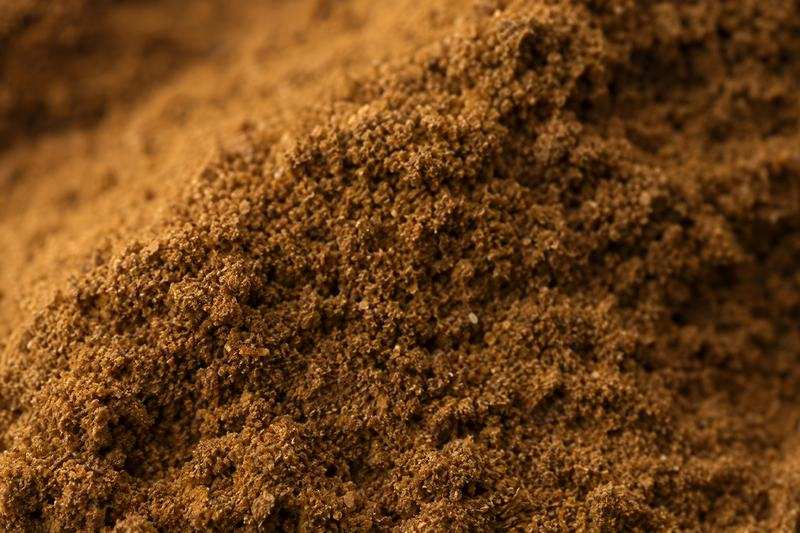
Dust is the finest of the tobacco refuse fractions, and one of the most technical to buy. It looks uniform, but two lots can differ greatly in nicotine, moisture, cleanliness and particle size, so a clear specification protects both sides.
What counts as dust
The WCO Explanatory Notes include dust among tobacco refuse in heading 2401, subheading 2401.30. One patent describes tobacco dust as generally less than about 60 mesh, recovered from air filters and tobacco screens during handling and manufacturing (US 4421126). Another defines fines as material passing a 0.28 mm screen (EP 0069467). Definitions differ. There is no single global size cut-off, so a buyer should state the sieve and limits in the contract.
The WCO notes also describe tobacco refuse as material that can contain impurities such as vegetable waste and fibres, which is why cleanliness belongs in every dust specification. Classification of a given lot is a matter for the customs authority in each country, so confirm the tariff treatment with a customs broker before shipping.
Types of tobacco dust
Dust is commonly grouped by where it comes from and what it contains. The table is an illustrative classification and not a formal standard.
| Type | Source | Character |
|---|---|---|
| Tobacco dust | Threshing, screening and scrap grading | Mostly lamina, higher nicotine, may carry soil |
| Stem dust | Stem handling and grinding | Lower nicotine, more fibrous |
| Stalk dust | Stalk handling and grinding | Woody and fibrous; confirm nicotine by lot |
Dust from several streams combined varies more and needs blending control. Dust from finished-product factories can include casings and additives, so it is not the same as primary dust.
Nicotine tracks the source material. A study of tobacco refuse reported dust at about 2.6 to 4.8% nicotine, against about 1.9 to 3.7% for scrap and about 0.9 to 1.8% for stem midrib (PMC8303117). Other sources will differ, so read these as a published reference range from that study and not as a guarantee for any lot.
How buyers use dust
Nicotine extraction. Dust has a large surface area and relatively high nicotine, so extractors have used it as a feedstock. Researchers describe recovery by solvent, microwave-assisted and other methods (PMC8303117). Extraction buyers care most about nicotine per lot, the test method, moisture basis and steady supply.
Reconstituted tobacco. Dust and fines are classic inputs to reconstituted sheet. One patent describes dust of roughly 60 to 400 mesh mixed with binder and formed into sheet, with finer grinding improving sheet quality (US 5724998). Recon makers care about particle size distribution, sugars and chemistry, and cleanliness.
Other uses. Dust is also used in some manufactured tobacco categories as a blend component. Uses outside tobacco trade are subject to separate rules in many markets, so check local requirements before assuming any non-tobacco application.
Specifications buyers check
| Parameter | What to state | Notes |
|---|---|---|
| Nicotine | Range, %, with method and basis | Titration, continuous flow or GC give different numbers |
| Moisture | Maximum %, basis | Dust takes up moisture quickly; caking and mould risk |
| Particle size | Sieve or mesh range | Define the fraction passing and retained |
| Foreign matter | No plastic, string, metal, stones, sand | Soil and sand can inflate weight |
| Ash or sand content | Maximum % if relevant | Signals contamination |
| Type | Tobacco, stem or stalk dust, or a mix | Affects consistency |
| Origin and crop | Region and season | Helps with lot-to-lot consistency |
| Packing | Bag type, net weight, labelling | See below |
Handling and packing considerations
Dust control. Fine organic dust can be an airborne health irritant and, when suspended in air in sufficient concentration with an ignition source, a fire and explosion hazard. OSHA lists tobacco among industries where combustible dust hazards exist and advises capturing dust before it escapes, containing it in suitable equipment and cleaning frequently with safe methods (OSHA 3791; OSHA 3878). Industry guidance notes that risk rises as particles get finer (Nederman). Follow your local safety regulations and consult safety specialists for your plant.
Moisture. Dust is hygroscopic. Pack at a controlled moisture, use liners or sealed bags, and keep it dry through storage, transit and port handling.
Bags and loading. Strong, sealed woven bags with inner liners limit leakage and rewetting. Palletising helps container loading and handling at origin and destination. Mark bag weight, lot and product description clearly.
Segregation. Keep dust lots separate from scrap and stems to avoid mixing grades, and keep different nicotine ranges apart.
Sampling. Dust stratifies in bags, with finer material settling. Agree how lots are sampled and, if needed, appoint an independent inspector at loading.
Questions to ask a supplier
A useful sheet states each parameter with its test method and basis, names the laboratory and shows the date of the result. Ask whether figures are typical values or guaranteed limits, and agree these points before the first shipment. Keep a retained sample from each lot in case a question arises later.
- What type of dust is it, and what streams does it come from?
- What nicotine result applies, by which method and basis, and from which laboratory?
- What are moisture, particle size and sand or ash limits?
- How is dust packed, and how is moisture controlled until loading?
- How are lots sampled and segregated?
- What documents accompany the shipment for your import regime?
Frequently asked questions
How much nicotine is in tobacco dust?
A published study of tobacco refuse measured dust at about 2.6 to 4.8% nicotine, but values vary by source leaf. Ask for a lot-specific result with method and basis.
Is tobacco dust hazardous to handle?
Fine organic dust can create airborne dust and, in some conditions, fire or explosion risk, and it can irritate airways. Good housekeeping, dust control and suitable packing are standard practice. Follow your local safety rules.